What Is Kola Nut?
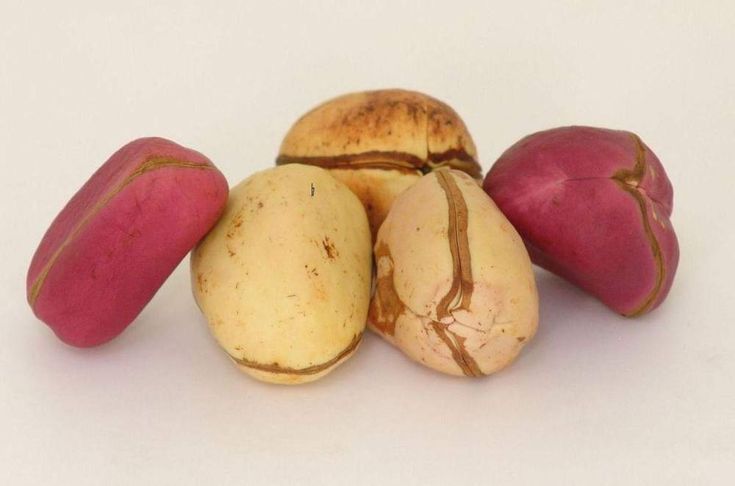
Kola Nut is a natural seed obtained from kola trees of the Cola species. It is widely known for its stimulating properties due to its natural caffeine content. Kola nut has been traded internationally for decades and remains an important agricultural export product used across food, beverage, pharmaceutical, cosmetic, and cultural industries.
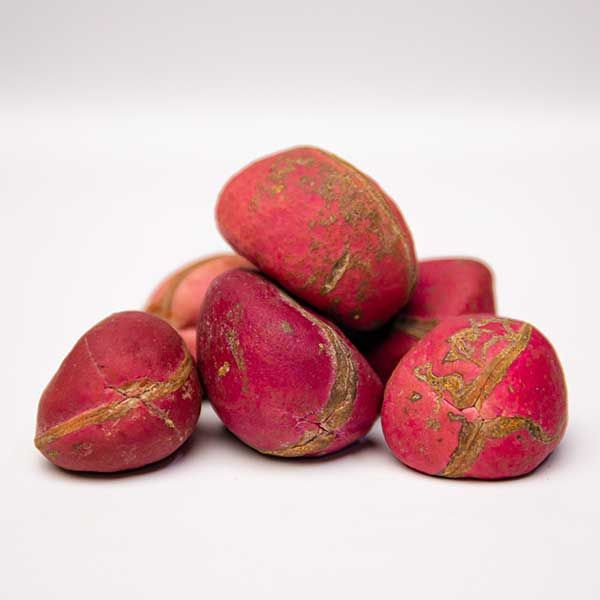
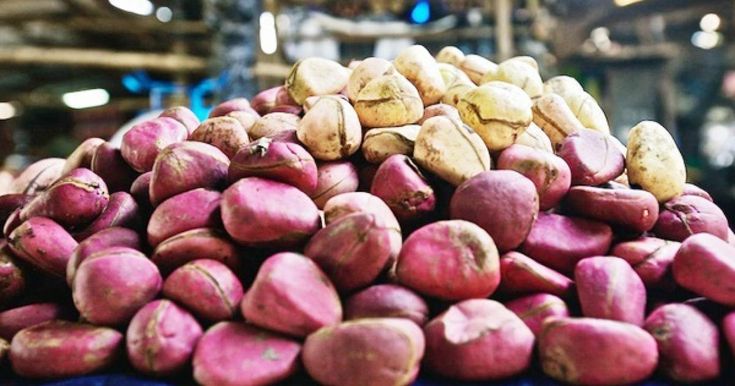
It is typically reddish or whitish in color, bitter to taste when fresh, and becomes milder when dried or processed.
Global Importance of Kola Nut
Kola nut is valued worldwide for its versatility and economic importance. It plays a significant role in:
-
Traditional and cultural practices
-
Natural stimulants and energy products
-
Herbal medicine and supplements
-
Flavoring ingredients for beverages
Its long shelf life when properly dried makes it ideal for international shipping and bulk export.
Uses of Kola Nut
1. Food & Beverage Industry
Kola nut is used as a natural flavoring and caffeine source in:
-
Energy drinks
-
Herbal teas
-
Soft drink formulations
-
Traditional beverages
2. Pharmaceutical & Herbal Medicine
Kola nut is used in the production of:
-
Herbal supplements
-
Appetite suppressants
-
Digestive aids
-
Natural stimulants
3. Cosmetic & Wellness Products
Extracts from kola nut are used in cosmetics for:
-
Skin toning products
-
Anti-aging formulations
-
Hair care products
4. Cultural & Traditional Use
Kola nut holds deep cultural significance and is widely used in:
-
Ceremonial events
-
Hospitality traditions
-
Social gatherings
This cultural demand supports steady export to diaspora markets worldwide.
Forms of Kola Nut for Export
Kola nut is exported in different forms depending on buyer requirements:
• Fresh Kola Nut
-
Mostly exported by air
-
Requires careful handling and ventilation
-
Preferred by ethnic and cultural markets
• Dried Kola Nut (Whole or Split)
-
Most common export form
-
Longer shelf life
-
Suitable for sea freight and bulk orders
• Processed Kola Nut (Powder / Extract)
-
Used in pharmaceutical and industrial applications
-
Requires advanced processing and packaging
Quality Specifications for Export
High-quality export-grade kola nut typically meets the following standards:
-
Clean and well-sorted nuts
-
Free from mold, insects, and foreign materials
-
Properly dried to safe moisture levels
-
Uniform size and color
-
No chemical contamination
Packaging Options
Kola nut can be packaged based on buyer preference and shipping method:
-
25kg, 50kg, or 100kg jute or polypropylene bags
-
Vacuum-sealed or moisture-resistant bags
-
Cartons for retail or smaller consignments
Proper packaging is essential to prevent moisture absorption and preserve freshness during transit.
Shelf Life & Storage
-
Dried Kola Nut: 12–24 months
-
Fresh Kola Nut: Short shelf life; requires ventilation and temperature control
Storage conditions should be:
-
Cool and dry
-
Well-ventilated
-
Away from direct sunlight and moisture
Global Market Demand
Kola nut has strong and consistent demand in:
-
Europe
-
North America
-
Middle East
-
Asia
-
African diaspora markets
Major buyers include:
-
Food and beverage manufacturers
-
Herbal medicine producers
-
Cosmetic companies
-
Ethnic wholesalers and retailers
Export Documentation
Standard export documentation for kola nut includes:
-
Commercial Invoice
-
Packing List
-
Certificate of Origin
-
Phytosanitary Certificate
-
Bill of Lading or Airway Bill
Additional certifications may be required depending on destination country regulations.
Shipping Methods
-
Sea Freight: Ideal for bulk dried kola nut exports
-
Air Freight: Suitable for fresh kola nut or urgent orders
Shipping terms may include FOB, CIF, or DDP depending on buyer agreement.
Economic & Export Potential
Kola nut export offers strong profit potential due to:
-
Steady global demand
-
Multiple industrial uses
-
Ability to export in various forms
-
Long shelf life when dried
-
Competitive pricing opportunities
Exporters who maintain consistent quality, proper drying, and reliable logistics can secure long-term international supply contracts.
Conclusion
Kola nut remains a high-value agricultural export commodity with global relevance across food, pharmaceutical, cosmetic, and cultural markets. With proper sourcing, processing, packaging, and compliance, kola nut export presents a sustainable and profitable opportunity for international trade.